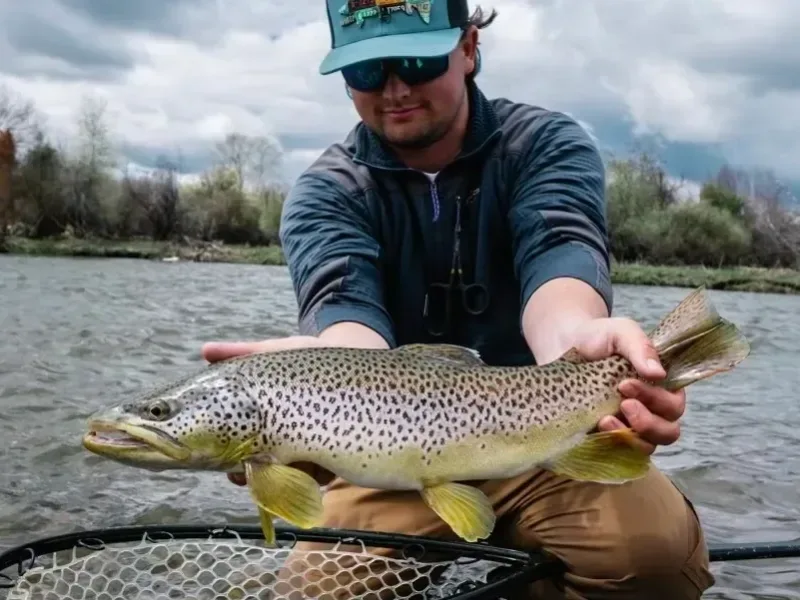
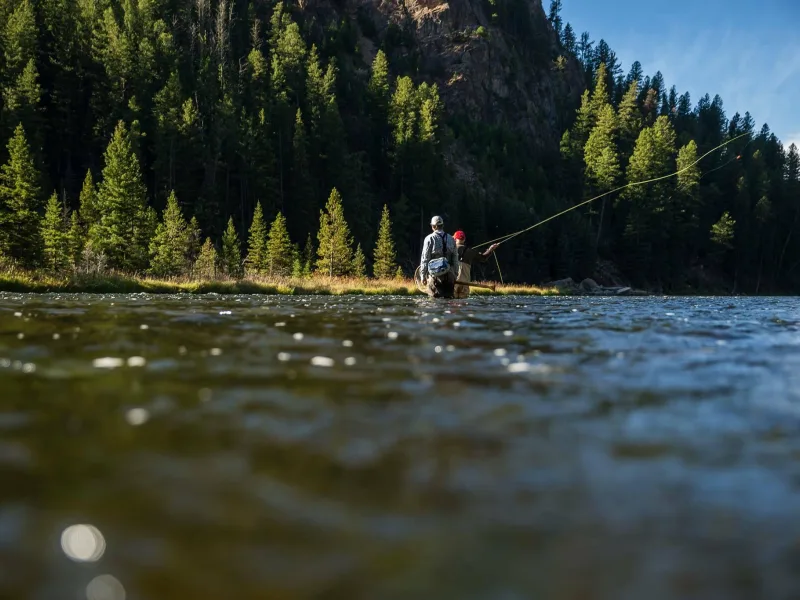
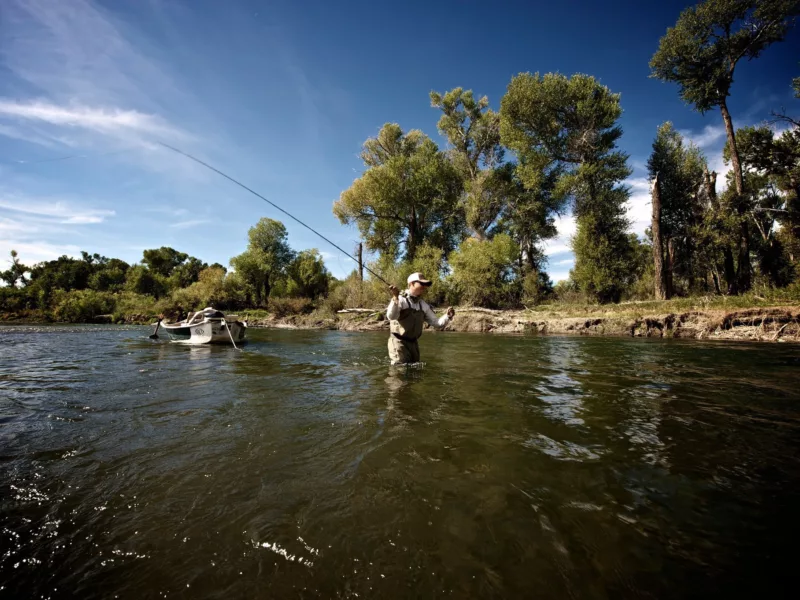
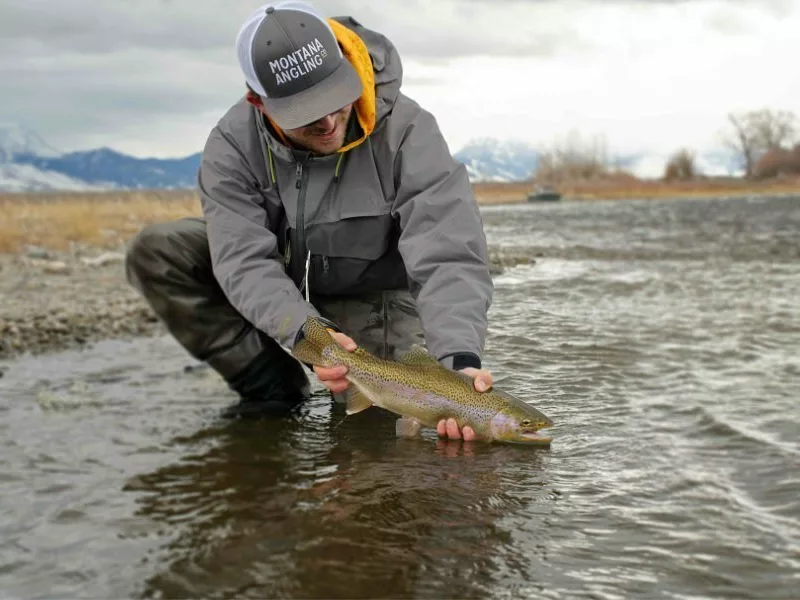
Flowing through Gallatin Canyon, this river offers classic pocket water, riffles and runs. It is a favorite for wade anglers and known for healthy populations of rainbow, brown and cutthroat trout.
In Bozeman, hunting and fishing are more than pastimes. They are part of the culture, shaped by wide open landscapes, healthy wildlife populations and cold, clear water that runs through it all. From casting dry flies on legendary rivers to pursuing elk in the fall, this is where traditions are lived, not just talked about.
Below, find the best places to hunt and fish, helpful resources, licensing information, local guides and gear, plus safety and stewardship tips to help you make the most of your time outdoors.
Bozeman sits at the center of some of the most productive and scenic fisheries in the West. Whether you are new to fly fishing or have years on the water, there is no shortage of places to cast a line.
Flowing through Gallatin Canyon, this river offers classic pocket water, riffles and runs. It is a favorite for wade anglers and known for healthy populations of rainbow, brown and cutthroat trout.

One of the most famous trout rivers in the world, the Madison delivers consistent fishing and big views. Float or wade access makes it approachable, and hatches keep things interesting throughout the season.

Un-dammed and wild, the Yellowstone offers long stretches of productive water and strong native fish populations. It is ideal for float trips and anglers looking for a bigger river experience.

Just south of town, Hyalite is easy to access and great for a relaxed day of fishing. Target trout from shore, kayak or small boat, all set against a backdrop of peaks and forest.

Close to town and easy to reach, the East Gallatin is perfect for a quick outing. Expect slower water, grassy banks and steady opportunities for trout.

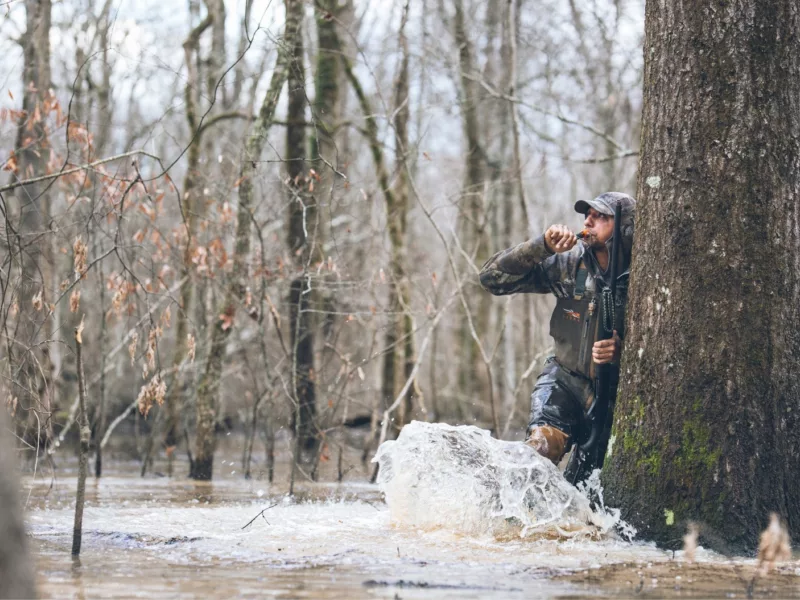
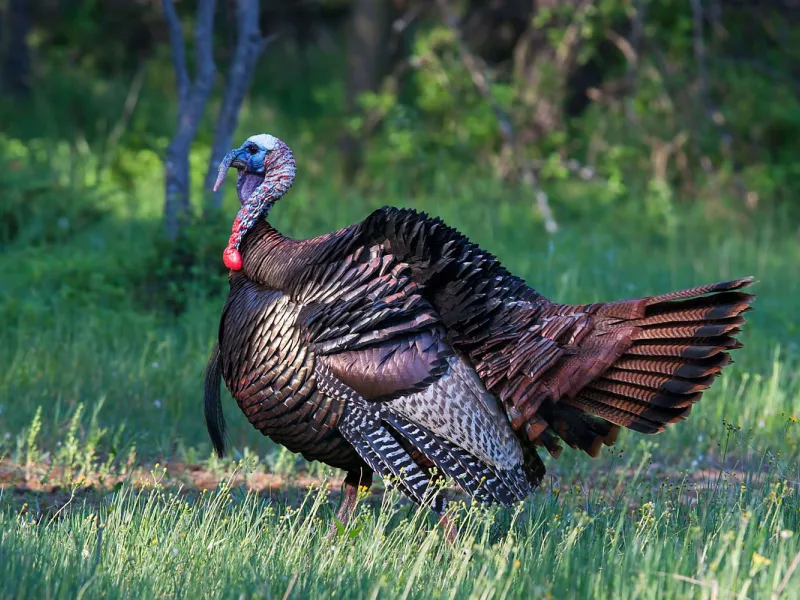
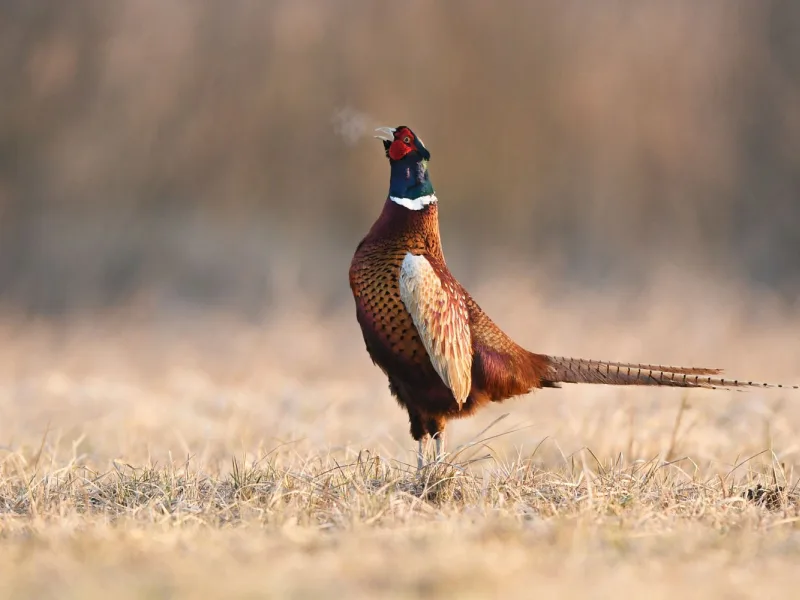
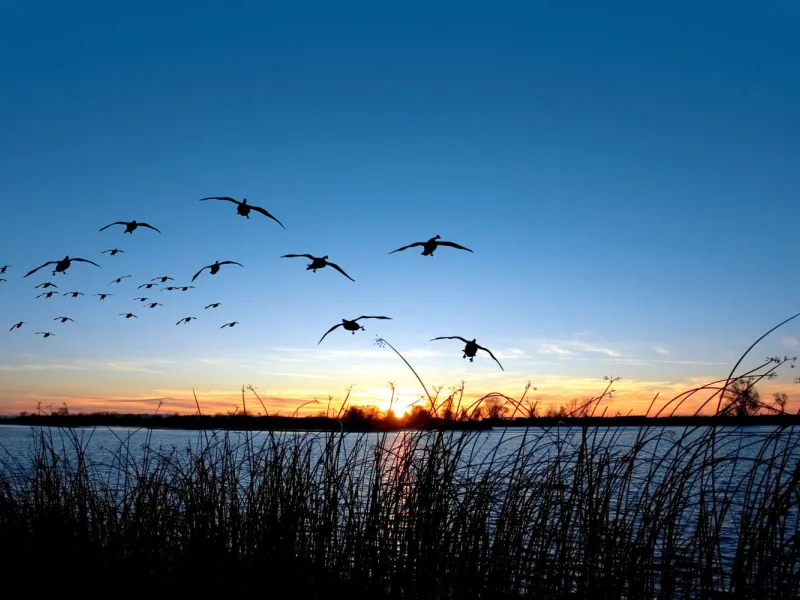
Hunting near Bozeman means access to vast public lands, diverse terrain and a range of species from upland birds to big game.
Note: Grizzly bears are active in many of these areas. Always carry bear spray and store food responsibly.

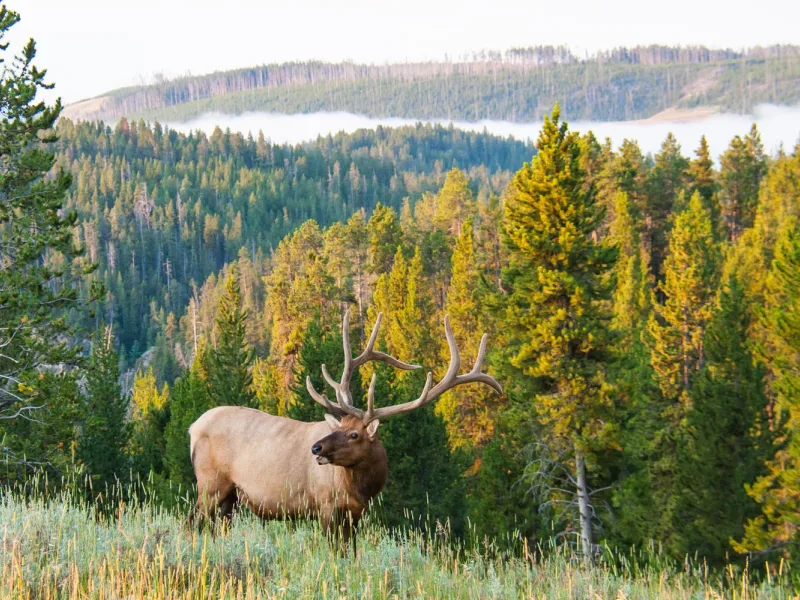
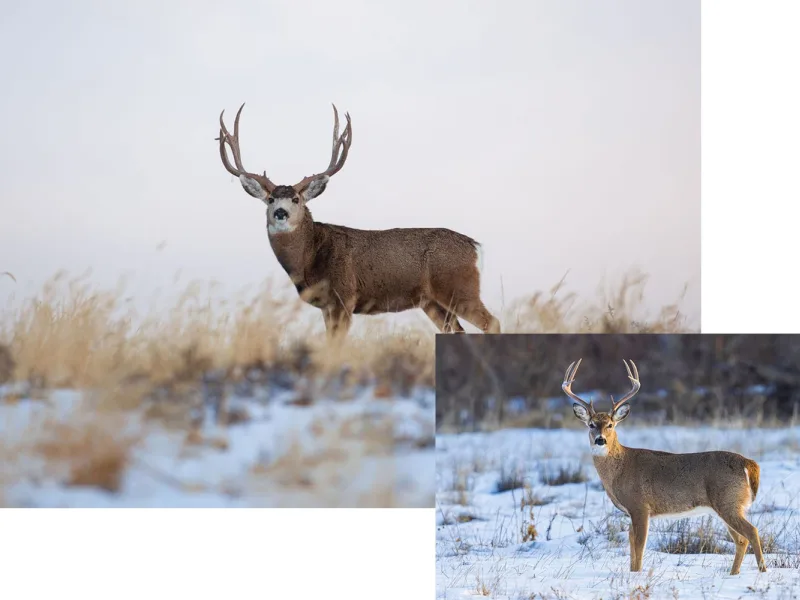
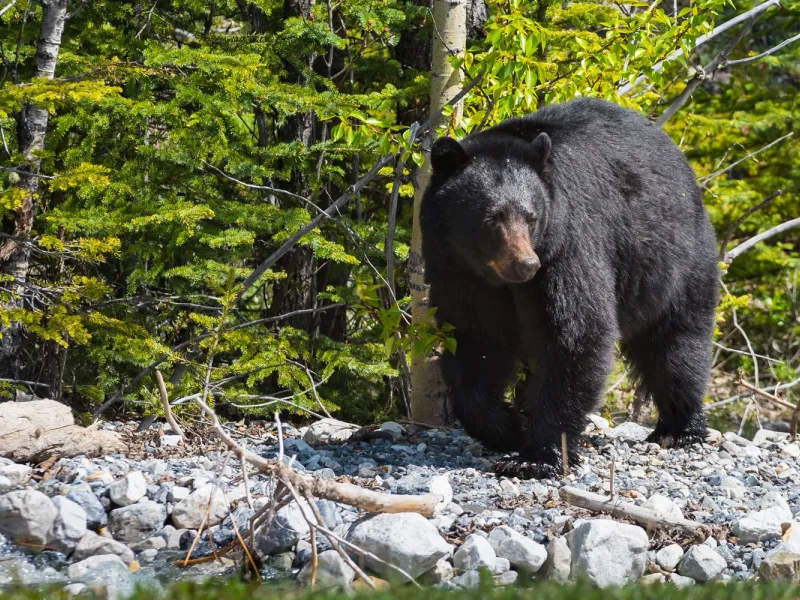
Expansive and rugged, this forest provides prime habitat for elk, mule deer and black bear. It offers a mix of roaded and backcountry access.

Close to town and popular for both recreation and hunting, the Bridgers offer opportunities for deer and elk, especially in early and late season.

Remote and wild, this range stretches toward Yellowstone and holds strong elk populations. Expect more challenging terrain and fewer crowds.

Known for big country and big game, the Madison Range offers excellent elk hunting and access to large tracts of public land.

Private lands enrolled in Montana’s Block Management Program provide public hunting access. These areas are clearly mapped and regulated through Montana Fish, Wildlife & Parks.
Much of the land around Bozeman and greater Montana is privately owned, and you must have permission to hunt or fish on private property without exception. Always identify land ownership using tools like onX or Montana FWP maps before heading out.
Many landowners offer access through Montana’s Block Management Program (Statewide), which provides free or low-cost hunting on enrolled private lands (some require reservations). For other properties, you may need to contact landowners directly to request permission or pay a trespass fee. Be respectful, ask well in advance, and follow all rules given.
Never assume access, avoid crossing private land without permission, and leave gates, roads, and property exactly as you found them. Responsible behavior helps keep access opportunities open for everyone.

Hunting in Montana requires planning ahead, especially for non-residents. Unlike some states, it is not always as simple as buying a tag and heading out.
Most big game licenses, including elk and deer, are distributed through a drawing system. Application deadlines are typically early in the year, often around April 1. Missing these deadlines can limit your options to leftover licenses or over-the-counter opportunities.
Montana Fish, Wildlife & Parks (FWP) provides essential tools to help you plan. The Hunt Planner and access maps show public versus private land, hunting districts, species distribution and programs like Block Management Areas. These tools are key to avoiding common mistakes, like unintentionally entering private land.
Before your trip, review regulations carefully, confirm season dates and understand the rules specific to your hunting district. Conditions, access and regulations can change, so it is important to stay current.

Both residents and non-residents must carry a valid Montana fishing license , which can be purchased online or in person. Regulations vary by water, species and season, so it is important to check the current rules for the specific river, lake or stream you plan to fish .
In addition to regulations, successful days on the water often come down to timing and conditions. Check stocking reports , river flows and local updates before heading out. These factors can change quickly and have a big impact on fishing.
FWP and local guides recommend verifying regulations before every trip and keeping a digital copy of your license and rules on your phone for easy access.

Licensing, regulations, maps and season dates all live here. MFWP includes tools like the Hunt Planner and species guides, plus access information for public lands and hunting districts. If you only use one resource, use this.
View Website
OnX Maps is a go-to app for details on land ownership and access. See property boundaries, public land, and navigation tools right from your phone.
View Website
The local National Forest site offers maps, access points and information for both hunting and fishing across millions of acres of public land.
View Website
Protect what makes Bozeman special by following Leave No Trace principles. Learn how to minimize your impact, respect wildlife and keep trails clean so others can enjoy the same experience.
View WebsiteVisit Bozeman is a partner of OutsideKind, an initiative that encourages respectful, responsible, and kind outdoor behavior across all landscapes and uses.

Whether you're fishing high country creeks or casting from the bank, fishing kind means sharing the water, packing out trash, and treating every waterway like a treasure.

Montana’s hunting heritage runs deep. Hunting kind means knowing your surroundings, respecting others’ space, and honoring the land and the wildlife that sustain the tradition.