Online reservations often lock in better rates than walk-up pricing. Book 2–4 weeks ahead if possible, especially during peak season (June–August, December–January).


 Move Down
Getting to Bozeman is easy. Getting around once you're here is even easier. Whether you arrive by air, drive your own vehicle, or prefer to let someone else handle the wheel, Bozeman offers straightforward transportation options that make exploring the town and surrounding area simple and stress-free.
This guide covers everything from landing at Bozeman Yellowstone International Airport to renting a car, using public transit, and navigating winter roads. You'll find practical information to help you plan the best way to get around during your visit.
Bozeman Yellowstone International Airport is one of the most convenient gateways to the Northern Rockies. Located just 8 miles north of downtown Bozeman, the airport offers nonstop flights from major cities across the U.S., making it easy to get here without connecting flights.

BZN serves multiple airlines offering year-round direct flights to popular hubs:
Direct routes expand seasonally, especially during peak winter and summer travel periods. Check the airport's flight information page for current flight schedules and airlines.
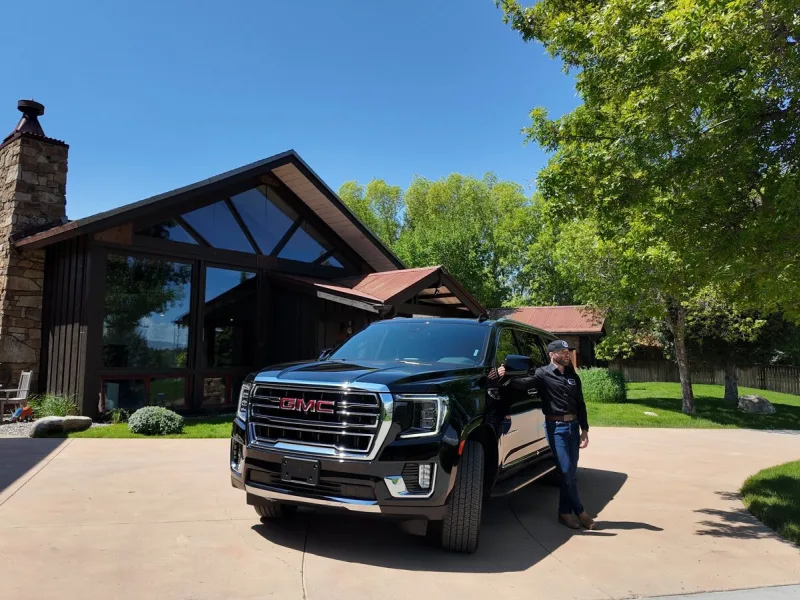
A rental car gives you flexibility to explore Bozeman, the surrounding valleys, and nearby destinations like Yellowstone and Big Sky. BZN has excellent rental car availability, with competitive pricing and a range of vehicle options.
Online reservations often lock in better rates than walk-up pricing. Book 2–4 weeks ahead if possible, especially during peak season (June–August, December–January).
For summer and fall visits, any vehicle works. For winter visits (November–April), upgrade to all-wheel drive or four-wheel drive. Winter tires are essential—most rental companies in Montana automatically equip vehicles for winter conditions, but confirm this when booking.
If you're renting a car for winter driving, review the Winter Driving section below and familiarize yourself with Montana road conditions before you leave the airport.

Uber and Lyft operate throughout Bozeman and are convenient alternatives to rental cars if you plan to stay within town limits or make occasional trips. Traditional taxis are also available.
Both services are available in Bozeman. Fares typically range from $8–$15 for trips within town, $15–$25 from the airport to downtown.
When to Use Rideshare
When NOT to Use Rideshare
Traditional taxi services operate in Bozeman, though Uber and Lyft are more widely used and often cheaper. Taxi stands are located at the airport, downtown, and major hotels.

Streamline is Bozeman's public bus system, offering a free way to get around town without a car. Streamline operates multiple routes throughout Bozeman, connecting:
Check the Streamline website or the transit app for current route maps and real-time tracking.
View WebsiteIf you're planning to ski at Bridger Bowl or Big Sky, consider these bus options to avoid winter driving and finding parking.
Bridger Bowl Bus Service
Bridger Bowl offers a free bus service from two locations in Bozeman during the winter ski season. Hop on the bus from the Park N Ride at the Bozeman Fairgrounds or from Montana State University (parking not available). Learn more about the bus service.
Skyline Bus to Big Sky
Skyline offers year-round, zero-fare service throughout Big Sky and a low-fare Link between Big Sky and Bozeman. Service from Bozeman is offered year-round, not just during ski season. See routes and schedules.

Walking and biking are both great options, depending on where you are.
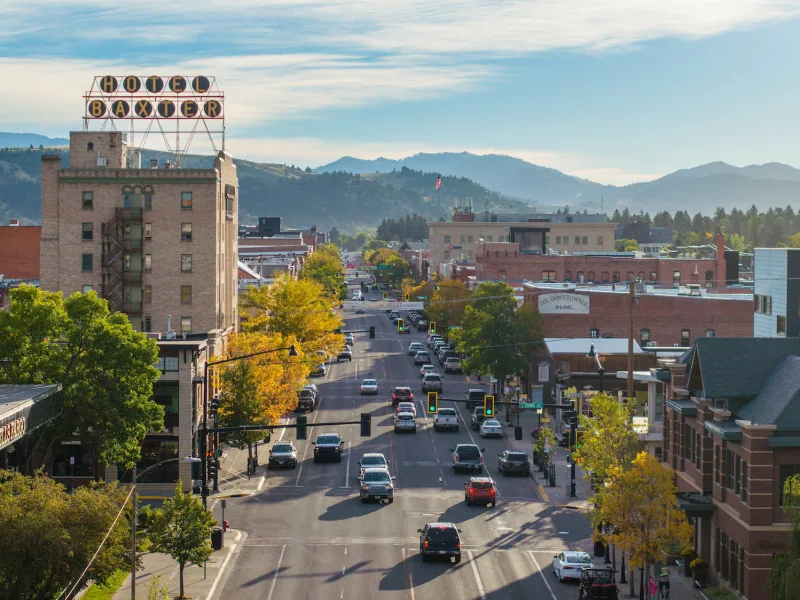
Downtown Bozeman is compact and walkable. Main Street runs north-south, with most restaurants, galleries, shops, and bars within a few blocks. The area around Montana State University is also quite walkable.
Bozeman is also a bike-friendly town. If you have a bike (or rent one), you can explore efficiently and enjoy the scenery. Several local shops offer daily and weekly bike rentals.

Winter driving in Montana is serious business. Snow, ice, and mountain passes require preparation, the right vehicle, and careful judgment. If you're renting a car for winter travel, read this section carefully.
Montana winters are unpredictable. Roads that are clear in the afternoon can be icy by evening.
Before You Drive
Common Winter Road Challenges

All-Wheel Drive / Four-Wheel Drive
This is essential for winter driving in Montana. Even with AWD, slippery conditions demand caution. FWD vehicles struggle significantly.
Winter Tires
Winter tires have tread patterns and rubber compounds that grip snow and ice far better than all-season tires. Many rental car companies in Montana automatically equip winter vehicles; confirm when booking.
Tire Chains
Carry chains even if you have winter tires. Some mountain passes legally require them in winter.
Not necessarily. If you're staying downtown and exploring restaurants, galleries, and shops within walking distance, you can skip a car and use rideshare or shuttles. But if you want to explore Yellowstone, Big Sky, or the surrounding valleys, a rental car offers flexibility.
For most visitors, hotel shuttle service is most economical (often free or $5–$10). If your hotel doesn't offer a shuttle, rideshare is convenient ($15–$25). Rental cars are best if you need flexibility for multiple days.
It can be. Montana winters are serious. But thousands of people navigate Montana roads safely every winter. The key is respecting conditions, driving slowly, and not taking chances. If weather is severe, stay put or use alternative transportation.
Yes, but only to the North Entrance. The road between the North Entrance and Cooke City stays open year-round, but other park roads close. Most of Yellowstone is only accessible by snowcoach or snowmobile in winter. Plan accordingly.
Generally 70-85 mph on interstates and 65 mph on highways, but speed limits drop in town. In winter, adjust to conditions regardless of posted limits.
Yes, especially on designated bike paths. Avoid major highways without bike lanes. Winter biking is dangerous due to snow and ice.