Book Your Stay Bozeman Chamber

Rafting + Floating

in Bozeman, Montana

Scroll Down Move Down

Rivers run in every direction from Bozeman. The Gallatin churns through a dramatic canyon. The Madison meanders toward the Missouri under wide-open skies. The Yellowstone cuts through Paradise Valley with views that'll make you forget to paddle. Whether you're chasing whitewater or a lazy float with a cooler in tow, you've come to the right place.

This guide covers the best rivers for rafting and floating near Bozeman, what to expect on each one, how to find a guide, and everything you need to know before you hit the water.

Rivers for Rafting and Floating Near Bozeman

Gallatin river

Gallatin River:

Best for Whitewater Rafting

Best for: Whitewater thrills, families, first-time rafters, canyon scenery
Season: May through September
Difficulty: Class II–III (varies by season and section)

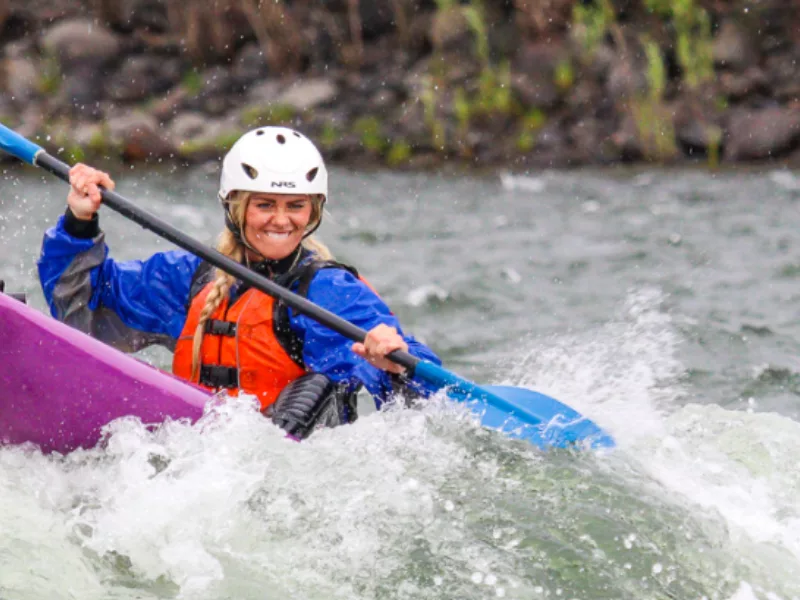
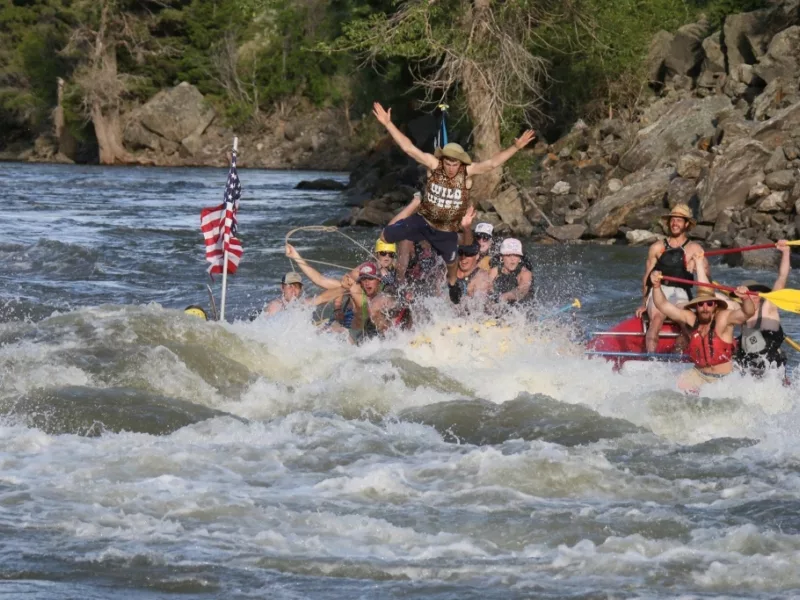
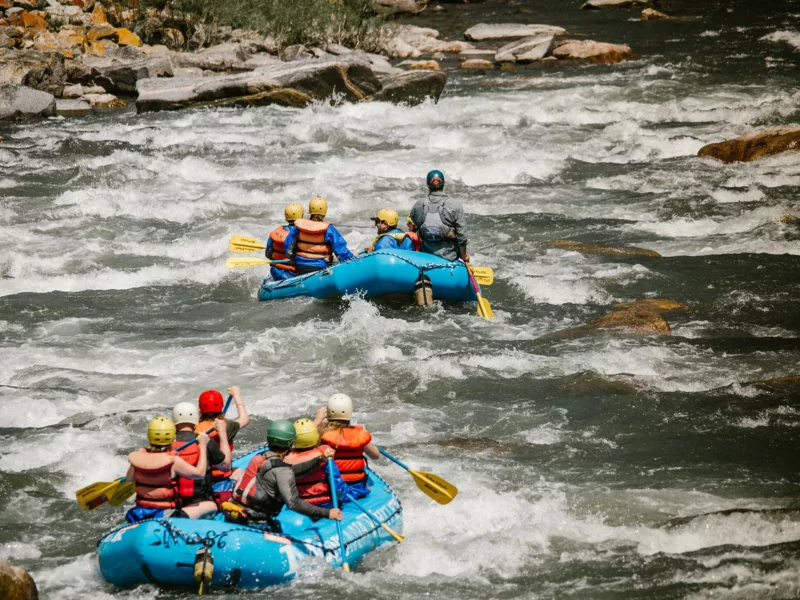
The Gallatin River is Bozeman's backyard thrill ride. It flows right through Gallatin Canyon along Highway 191, and if you've driven south toward Big Sky or Yellowstone, you've seen it — that rushing, clear water weaving between canyon walls and pine-covered slopes. This is the go-to river for whitewater rafting Montana visitors keep coming back for.

The river offers everything from mild, family-friendly floats to Class III rapids that'll get your heart pounding. The "House Rock" section through the canyon is a crowd favorite — scenic, splashy, and exciting without being over the top. Most guided trips put in near Gallatin Gateway and float through the canyon, with professional guides who know every bend and boulder on the river.

Spring runoff (roughly April through early June) brings the highest water levels and the most intense rapids. By mid-summer, flows mellow out a bit, making it a great time for families and first-timers.

For more ways to enjoy the canyon, check out our guide to the Bozeman to Big Sky drive — whitewater rafting stops are easy to fold into the trip.

Madison river

Madison River:

Best for Mellow Floating, Tubing, and Fishing

Best for: Casual floats, tubing, families, fishing
Season: Mid-June through August (water can get too shallow by late summer)
Difficulty: Flat water (bikini float section); Class III–IV (Bear Trap Canyon)

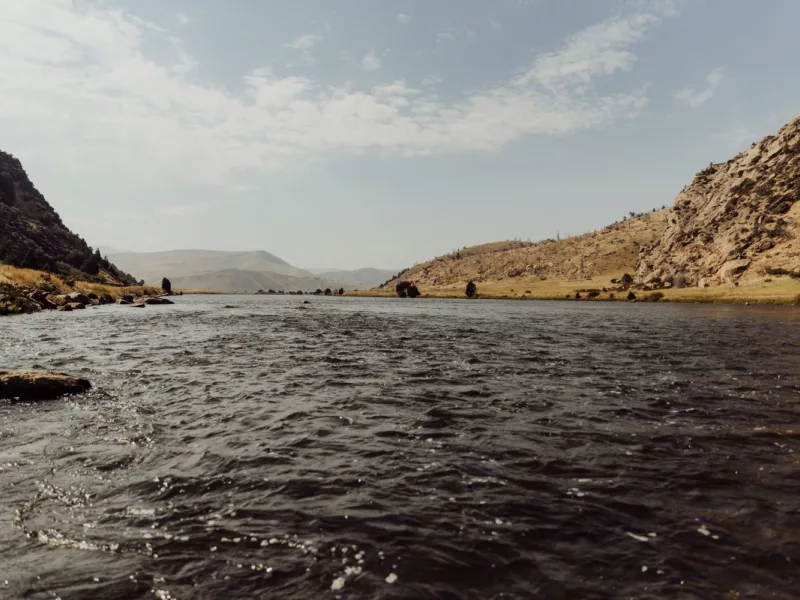
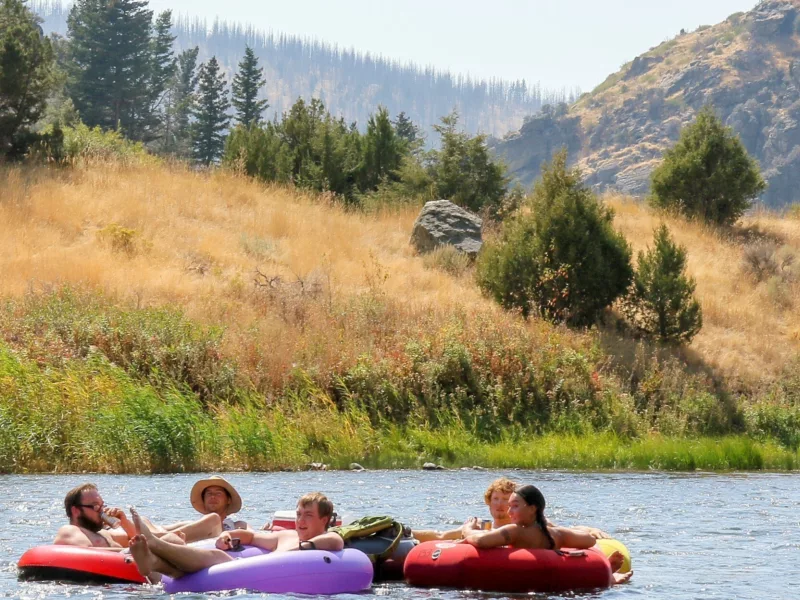
The Madison is the quintessential Montana float. On a hot summer afternoon, locals load up inner tubes, tie themselves together, and drift downstream through rolling ranch land and sagebrush hills. It's exactly as good as it sounds. This is the "bikini float," as locals call it, and it's a rite of summer.

The most popular section starts at Warm Springs Access and takes out at Black's Ford, roughly an 8-mile stretch that takes three to four hours depending on how often you stop to soak it all in. It's about a 30-minute scenic drive from Bozeman. Plan for traffic on the two-lane road in peak summer. Read our complete guide to floating the Madison River for detailed logistics on access points, rentals, and what to pack.

You can do the Madison on tubes, rafts, SUPs, drift boats, canoes, or inflatable kayaks. If you'd rather skip the logistics, several outfitters offer tube rentals and shuttle service so you can show up and float.

For anglers, drift boat trips through this section are a treat. The fishing is exceptional, and guided float fishing trips are easy to book.

For a little more adrenaline, the section below Ennis Lake through Bear Trap Canyon is a wild, remote whitewater run best left to experienced paddlers or done with a guide. It's one of the more dramatic stretches of river in the area, with high canyon walls and fast water.

Yellowstone river

Yellowstone River:

Best for Scenic Floats and Day Trips

Best for: Scenic floating, whitewater day trips, fly fishing, combining with a Yellowstone visit
Season: June through September
Difficulty: Flatwater to Class III (Yankee Jim Canyon)

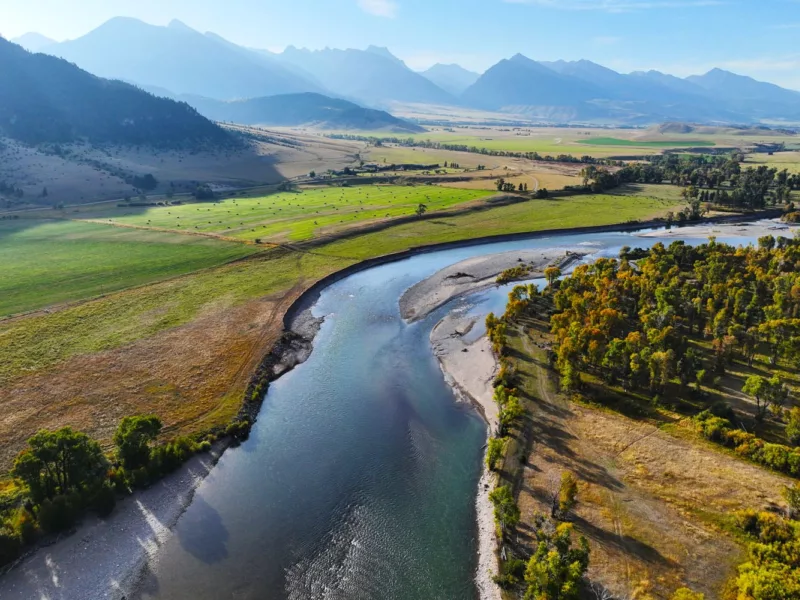
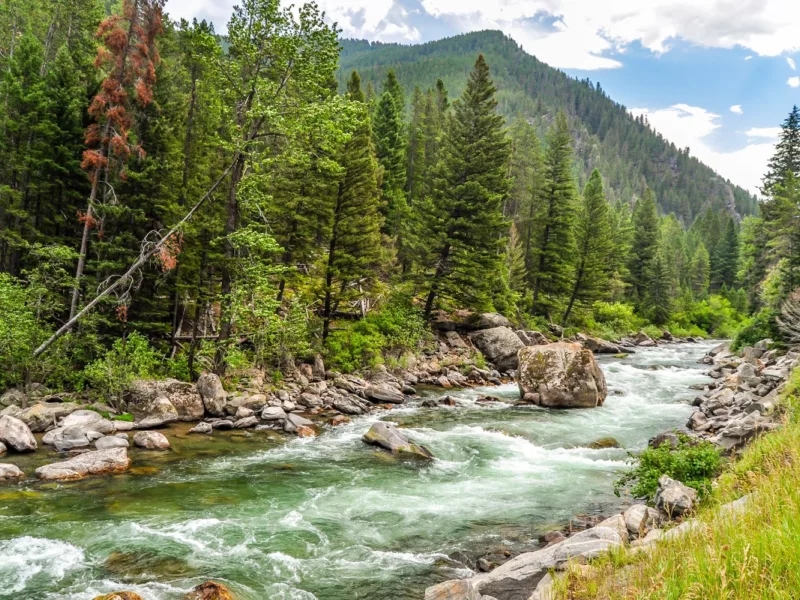
The Yellowstone is the longest free-flowing river in the continental United States, and floating it is something else. Just outside Yellowstone National Park, the river runs through Yankee Jim Canyon with legitimate whitewater and dramatic scenery. From there, it flows into Paradise Valley — one of Montana's most spectacular landscapes — past Livingston and on toward Big Timber.

Floating the Yellowstone River near Livingston is a popular day trip from Bozeman, sitting about 26 miles east on I-90. The float through Paradise Valley is mellow and beautiful, with the Absaroka Range framing the eastern horizon and the Gallatin Range to the west. Local outfitters in Livingston offer guided float trips and drift boat fishing excursions that make the most of this section.

For whitewater, Yankee Jim Canyon just north of Gardiner is the move — guided trips are available out of Gardiner, which is also worth a stop on its own as the north entrance gateway to Yellowstone National Park.

Pair a float with a stop in Livingston for lunch and a wander through downtown, or make it a full day by continuing south through Paradise Valley. Get ideas in our Paradise Valley scenic drive guide .

Three forks missouri

Missouri River:

Best for a Quieter Float

Best for: Calm floating, canoeing, kayaking, birding, off-the-beaten-path day trips
Season: May through September
Difficulty: Flatwater

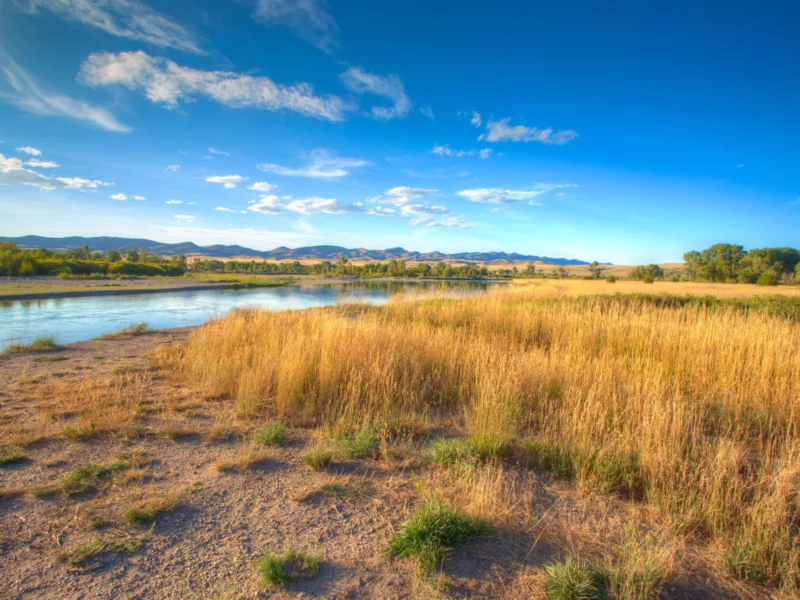
About 30 minutes north of Bozeman, the Missouri River headwaters sit at Three Forks, where the Gallatin, Madison, and Jefferson rivers converge. The Missouri's upper sections offer calm, scenic floating through cottonwood-lined banks with excellent bird watching and fewer crowds than the rivers closer to town.

This section is popular with canoes, kayaks, and small inflatables. The pace is slow, the scenery is gorgeous, and it's a genuinely peaceful day on the water. If you're looking for something different from the Gallatin and Madison crowds, this is worth the drive.

Rafting and Floating Guides + Outfitters

Hiring a guide is the easiest way to have a great day on the water — no logistics, no shuttle headaches, and someone who knows exactly where the good stuff is. Whether you want a half-day whitewater trip on the Gallatin or a full-day float down the Madison with lunch on the bank, there's an outfitter for that.

Yellowstone Raft Company Main Image
Yellowstone Raft Company
I Fr4 ZQ7 Z X2
Montana Whitewater Rafting & ZipLine Co.
Floating gear

What to Bring on the River

Pack smart and you'll have a much better day. Here's what to bring before you hit the water:

  • Life jacket (PFD): Wear it — every person, every trip. All guided trips provide one, but if you're going on your own, bring properly fitting PFDs for your whole crew.
  • Water shoes or old sneakers: Don't go barefoot. There are rocks, hooks, and all kinds of hazards on the river bottom.
  • Sun protection: The Montana sun hits hard on the water. Sunscreen, a hat, sunglasses, and a lightweight long-sleeve layer will save you.
  • Water and snacks: Stay hydrated. Floating is more dehydrating than it looks, and beer doesn't count.
  • Dry bag: For your phone, wallet, and keys — anything that can't get wet. Most guided trips provide them.
  • Layers and rain gear: River canyons can be cool even in summer, and weather in the mountains can change fast. Bring a layer you don't mind getting wet.
  • Bear spray: Carry it and know how to use it. You can't bring bear spray on a plane, so plan to pick it up when you arrive in Bozeman.
  • Downloaded maps: Cell service on the river is unreliable. Download your maps before you launch. A compass and a basic sense of your route don't hurt either.
  • Satellite communicator: For longer or more remote floats, a satellite communicator is a smart backup when your phone has no signal.
  • Permits and licenses: Make sure you have a valid Montana Conservation License if you plan to fish, and any other required permits for your stretch of river.
  • Trash bags: Pack it in, pack it out. Leave the river cleaner than you found it.
  • Rope: Tubing with a group? Bring cord to tie tubes together so everyone stays close.
  • Extra clothes for the drive home: Leaving in soaking wet gear is a rough way to end a great day.

River Safety + Etiquette

Every river has some level of risk, and Montana's waterways deserve respect. Keep these basics in mind before you go:

Check water levels and conditions — they change fast with weather and snowmelt. Look up rules for your specific stretch of river, including fishing regulations, camping requirements, and any permit needs. Then share your plan with someone at home: where you're putting in, where you're taking out, and when you'll be back.

The Gallatin Canyon and Bear Trap Canyon on the Madison are not floats for beginners going it alone. If you're new to moving water, hire a guide or stick to the mellow sections. There's no shame in it — it's just smart.

You're sharing the river with anglers, other floaters, and wildlife. Keep music and noise to a minimum, communicate before passing other groups, and give plenty of space to anyone wade-fishing or anchored up. The collective experience out there is worth protecting.

Thunderstorms and cold fronts can roll in fast in the mountains. Even a clear morning can turn on you by afternoon.

Logs, rocks, and hydraulics shift with water levels. Stay aware and don't assume the river looks the same as it did last weekend.

View animals from a distance and keep quiet. This is their home.

It's a firm rule. Leave the glass containers behind.

Every bit of it — trash, food scraps, even micro-trash you find at your takeout. Leave the river better than you found it.

For the full rundown on responsible river use, visit Montana Fish, Wildlife & Parks' River Ethics guide and follow Leave No Trace principles.