Most park roads close to regular vehicles in winter, except for the North Entrance. Spring opening dates for the remaining entrances vary depending on weather and conditions. Always check current road status before your visit .


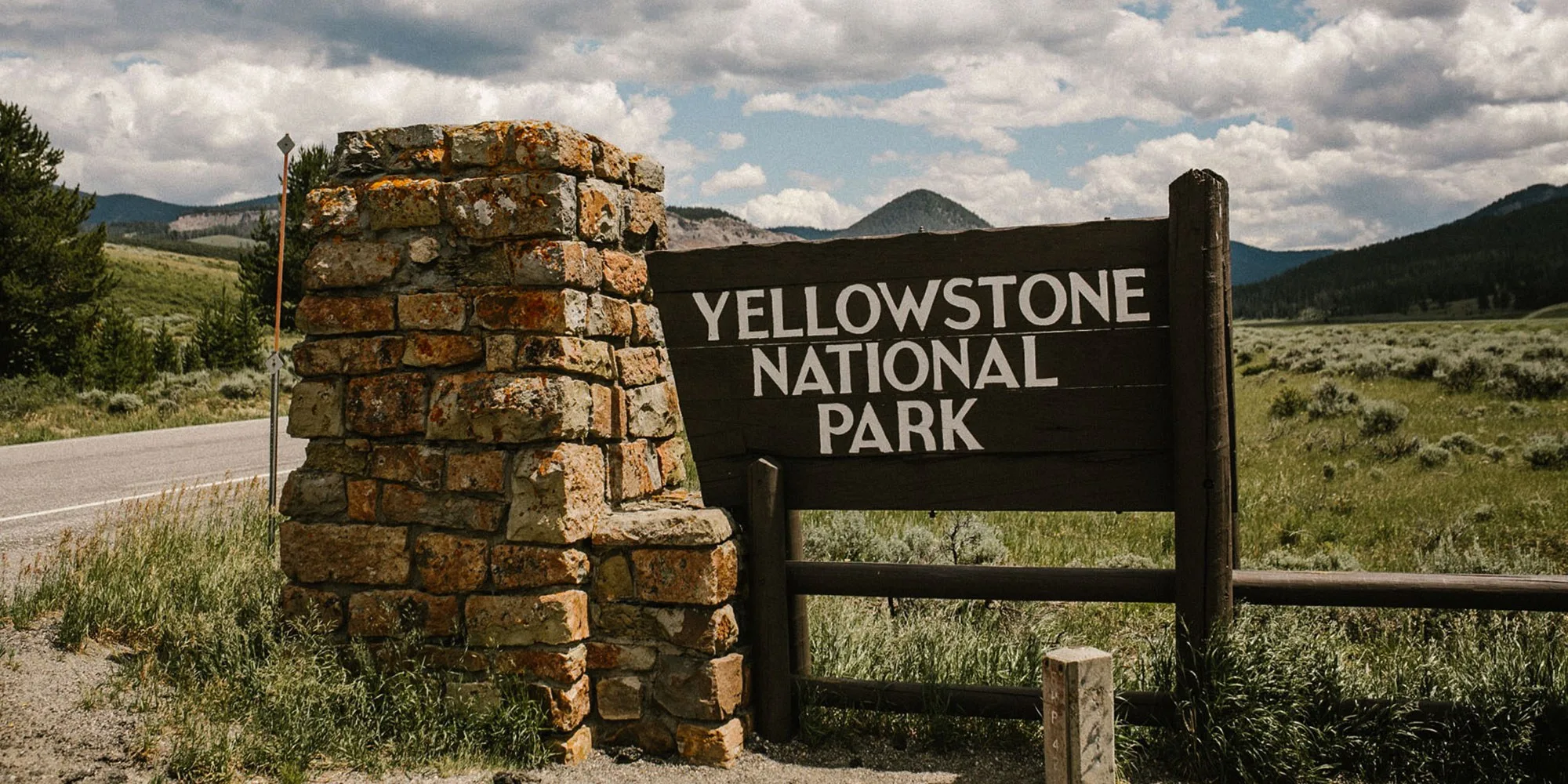
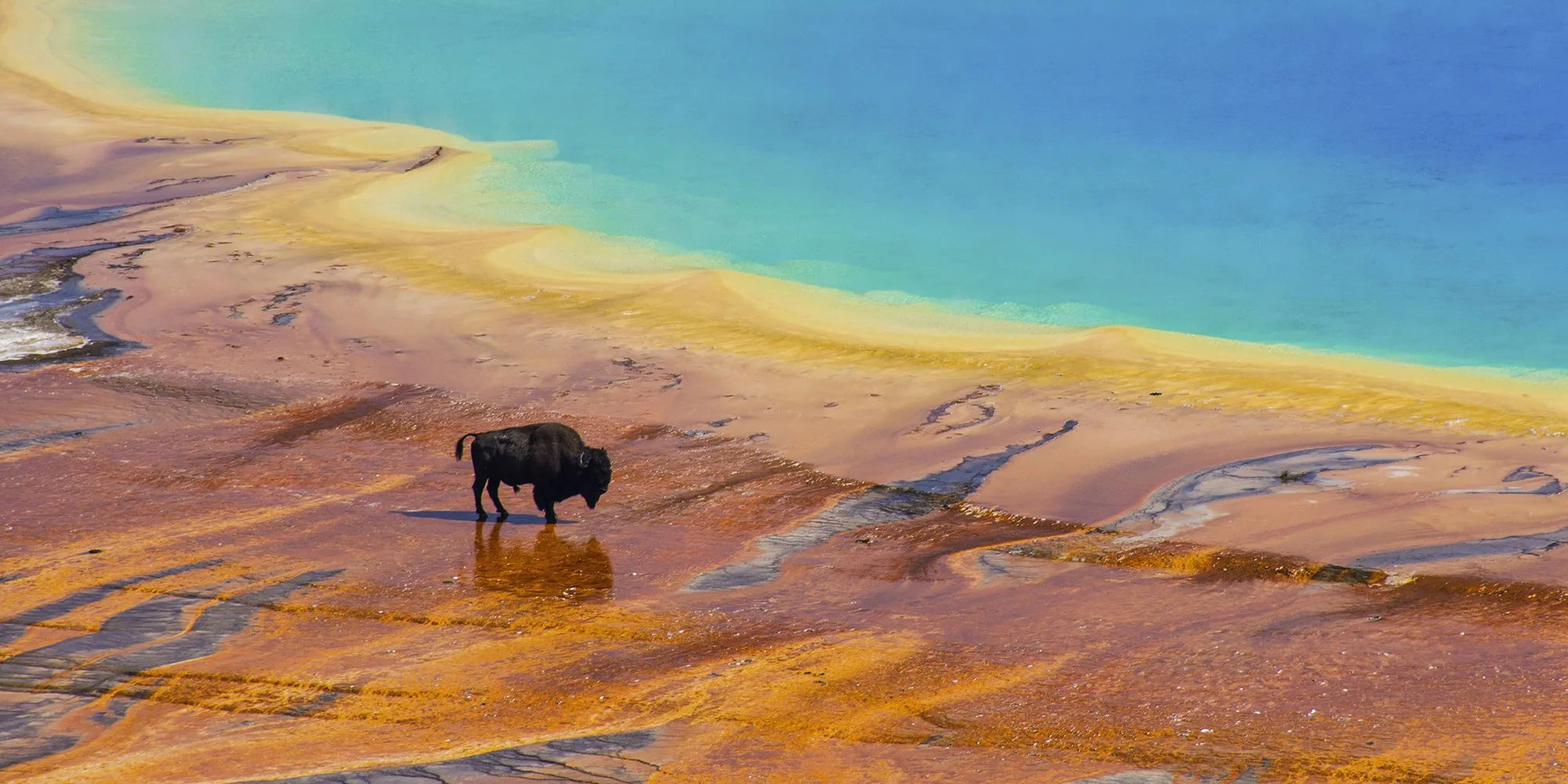
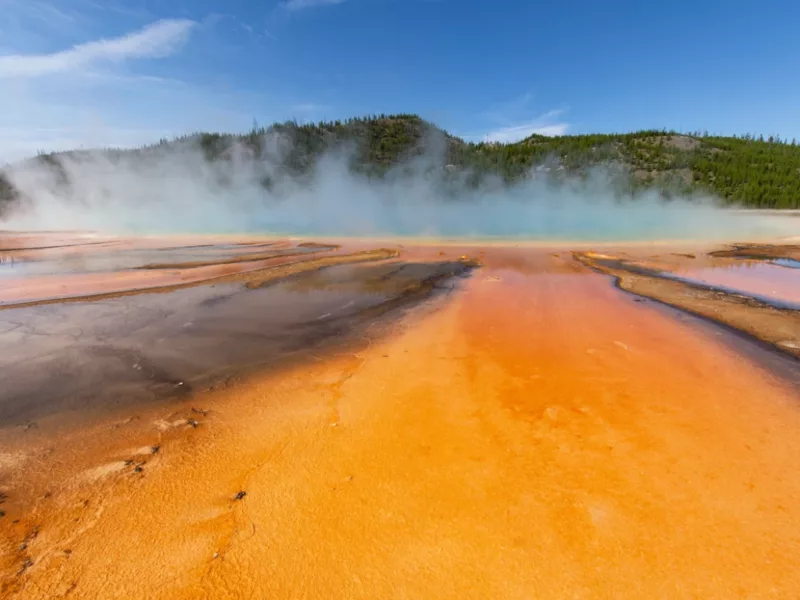
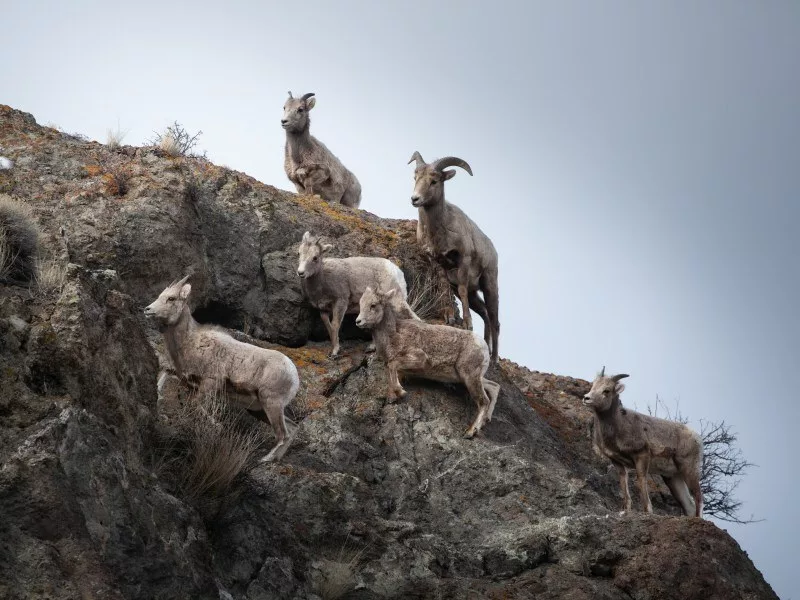
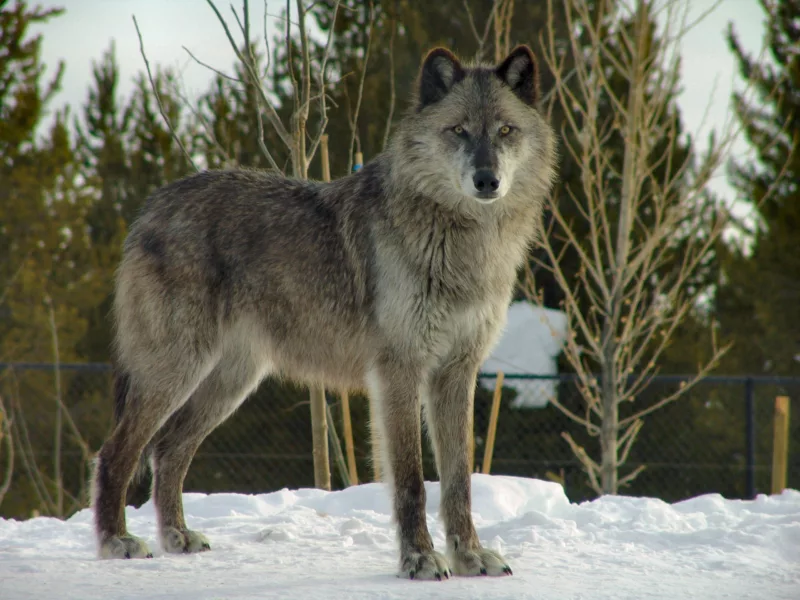
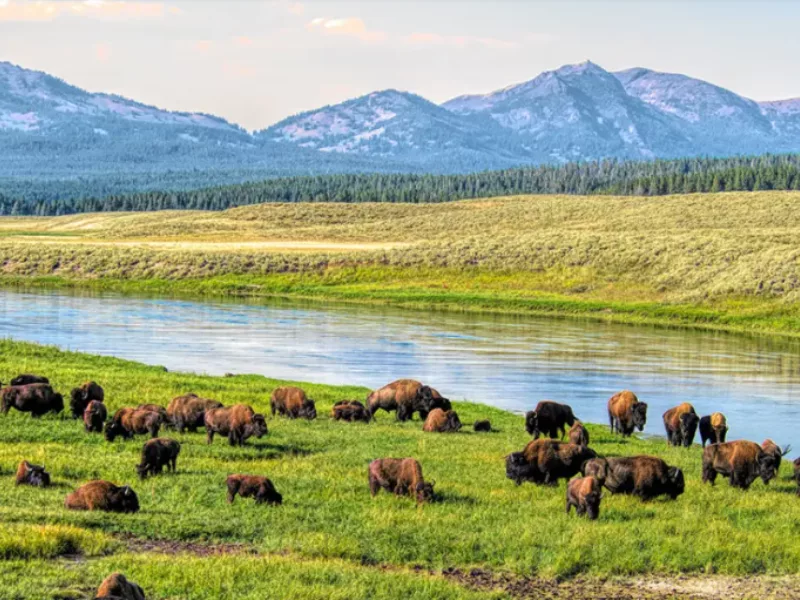
Yellowstone is a place where geysers erupt on schedule, bison roam freely and landscapes feel larger than life. It is the first national park in the world, and it still sets the standard for wild places.
From Bozeman, you’re just 1.5-2 hours from the park’s North or West entrances, making it one of the easiest gateways to Yellowstone. For most visitors, it’s the most convenient place to start a Yellowstone trip. Bozeman Yellowstone International Airport (BZN) offers direct flights from major cities across the U.S. making it easy to land and head straight toward the park, or stay and enjoy the amenities in Bozeman before or after your trip.
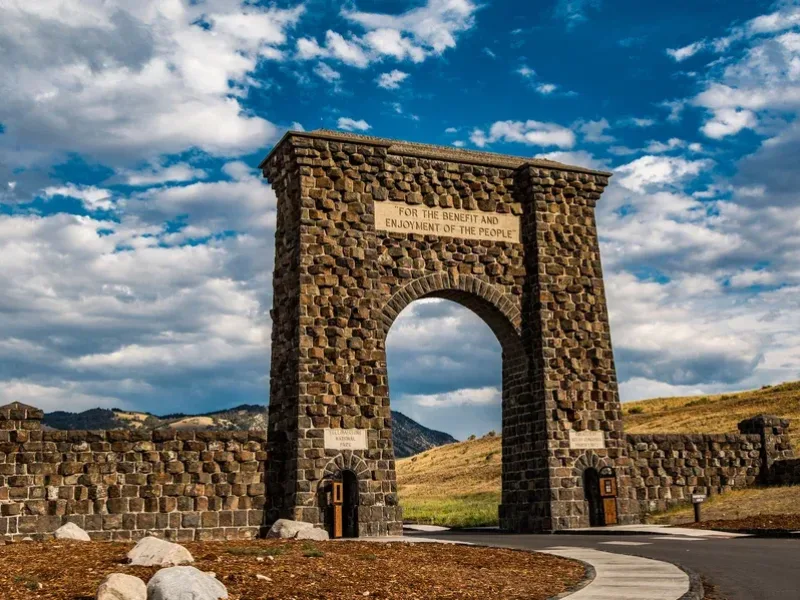
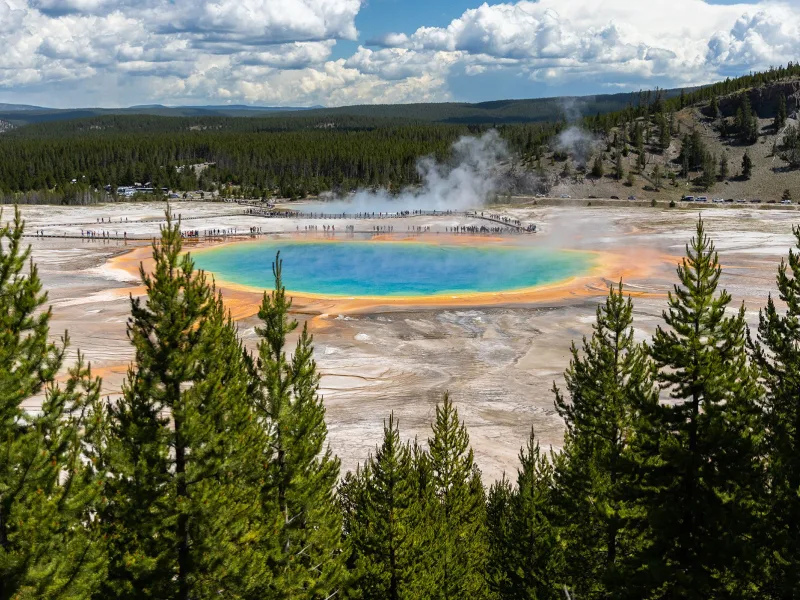
Most park roads close to regular vehicles in winter, except for the North Entrance. Spring opening dates for the remaining entrances vary depending on weather and conditions. Always check current road status before your visit .
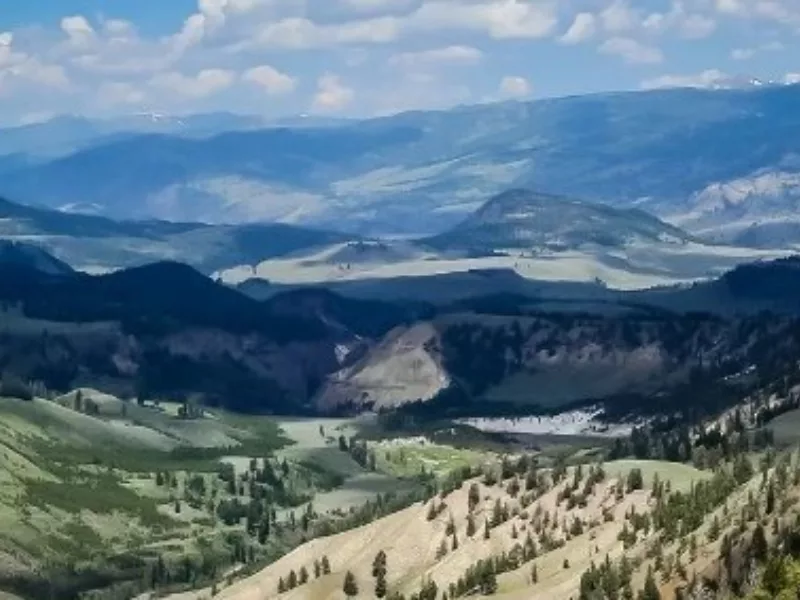
Yellowstone is massive. At more than 2.2 million acres, it is larger than Rhode Island and Delaware combined. Getting around takes time, and driving between major landmarks can take hours.
There is no comprehensive public transportation system inside Yellowstone. Visitors should plan to drive themselves or book a guided tour. Find more information about transportation options and drive times here .
A park pass is required to enter Yellowstone. Standard entrance fees range from $20-$35 for most visitors. No reservations or timed entry permits are currently required. Purchase passes online or in person at a park entrance.
Expect little to no cell service throughout the park. We highly recommend downloading the National Park Service (NPS) app before your trip. You can download the Yellowstone map and use it offline while exploring.
Bozeman offers the widest range of lodging, dining and amenities, along with easy access to both the North and West entrances. It’s a great home base for day trips into the park.
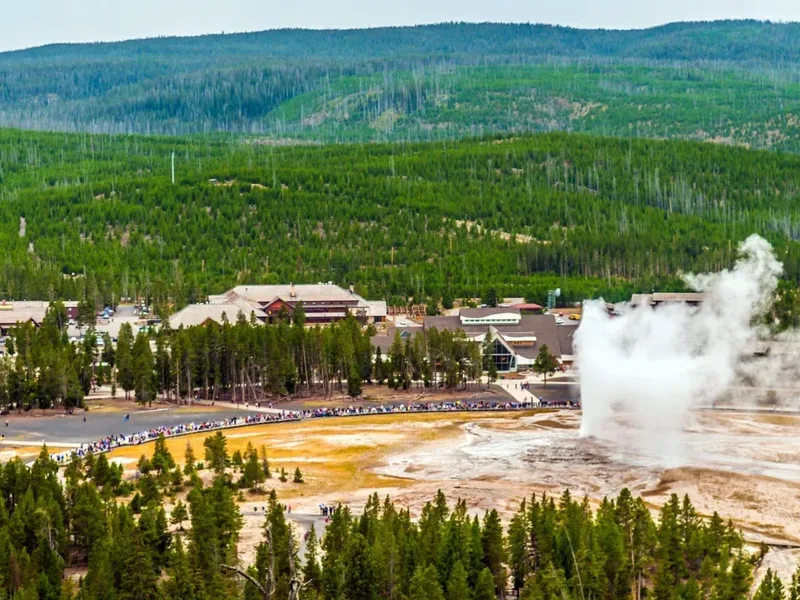
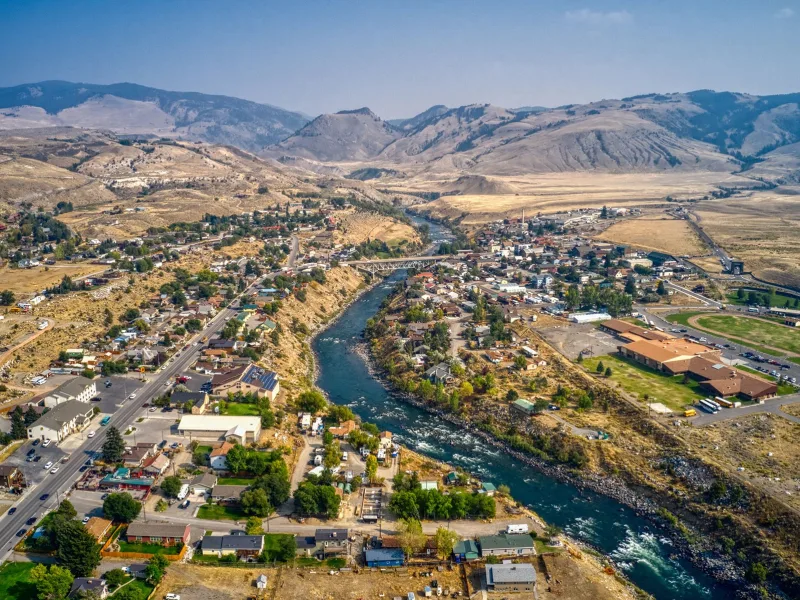
Small gateway towns like Gardiner and West Yellowstone offer lodging closer to park entrances. Find lodging options.
For a fully immersive experience, consider lodging inside Yellowstone. Availability is limited and fills quickly.

Getting from Bozeman to Yellowstone is straightforward, but your route depends on what you want to see. Plan for 1.5 to 2 hours of driving, though wildlife, weather and scenic stops can extend your travel time.
Drive south through Paradise Valley to reach the North Entrance in Gardiner, or head west toward West Yellowstone for faster access to geysers. Plan for 1.5 to 2 hours of driving, though wildlife, weather and scenic stops can extend your travel time.
Read this guide for a detailed breakdown of routes, timing and tips, read this guide.

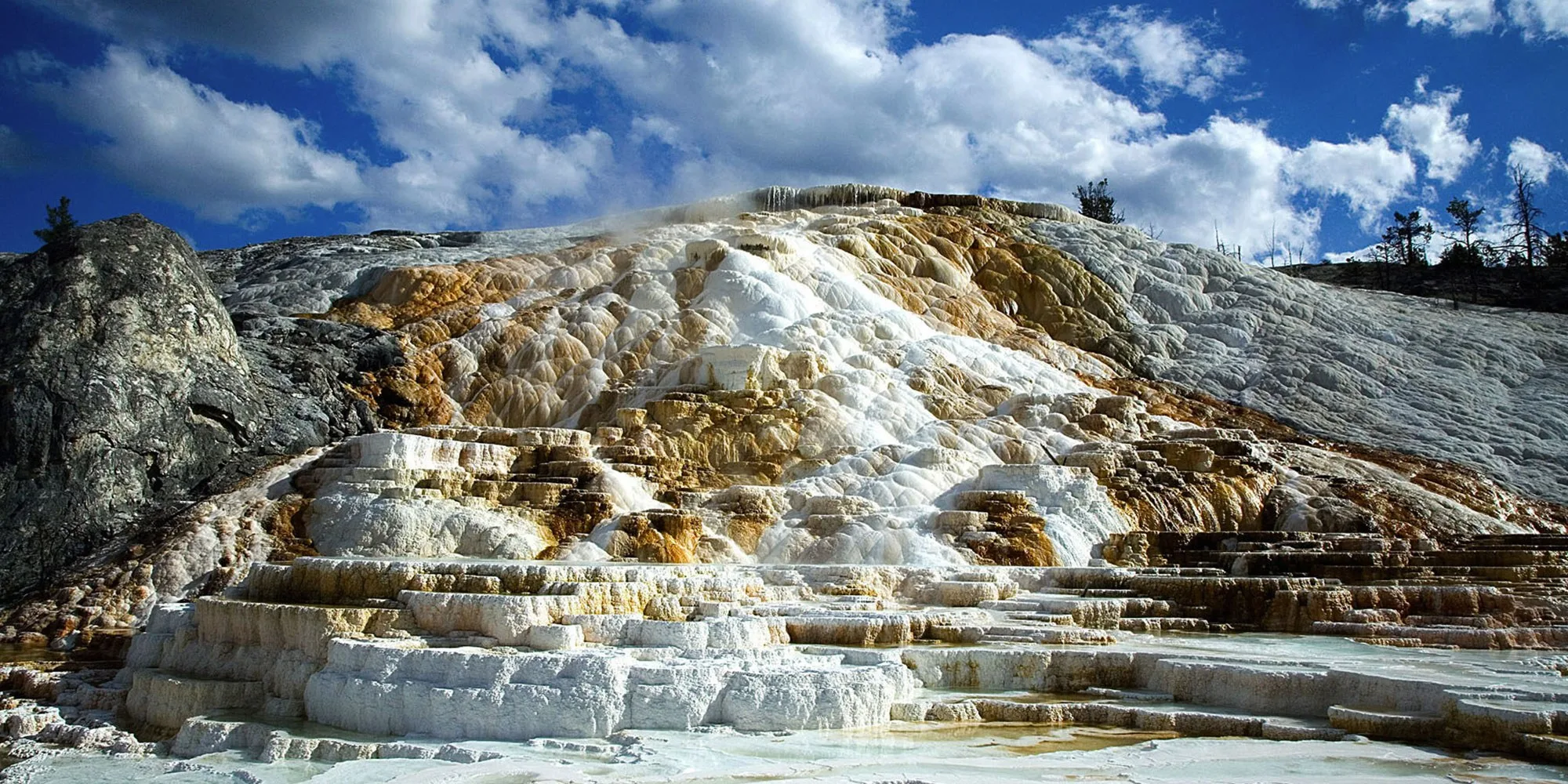
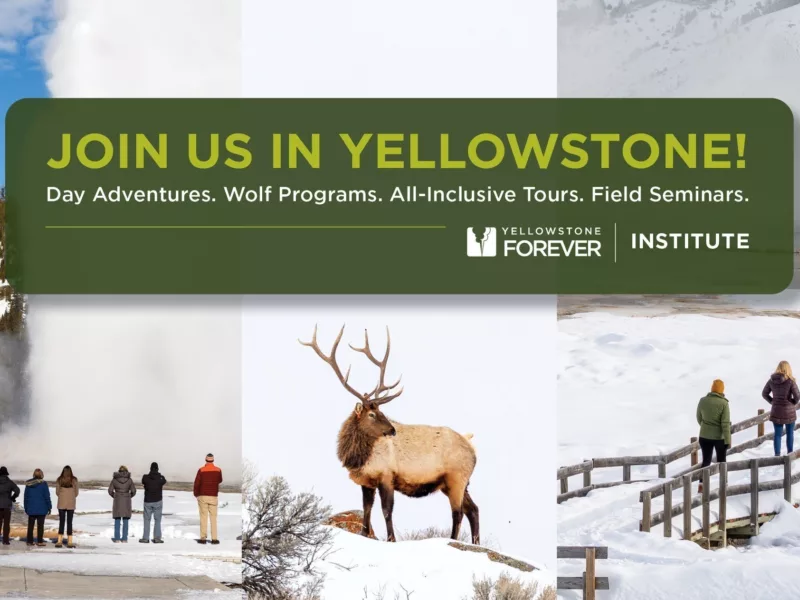
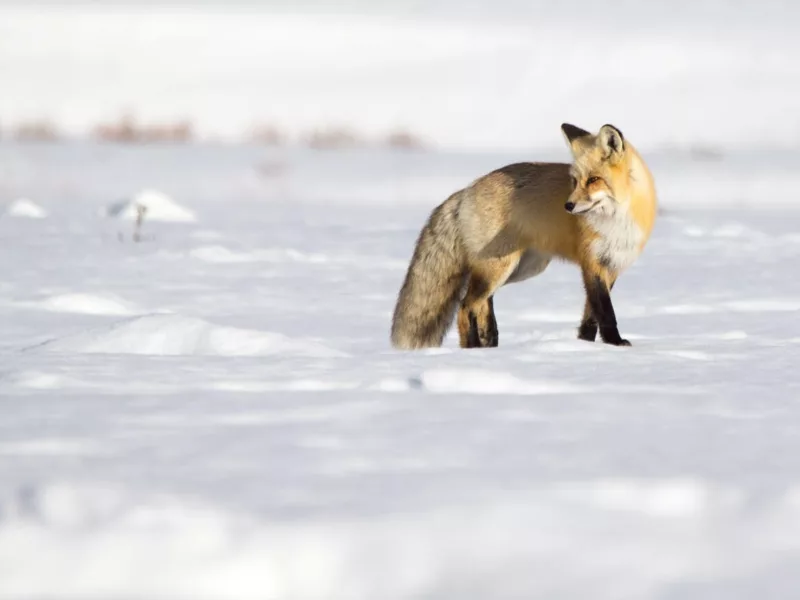
Winter in Yellowstone feels like stepping into a different world. Snow blankets the landscape, steam rises from geothermal features and wildlife becomes easier to spot against the white backdrop. With fewer visitors in the park, the experience is quieter and more immersive, especially in the northern range near Mammoth Hot Springs.
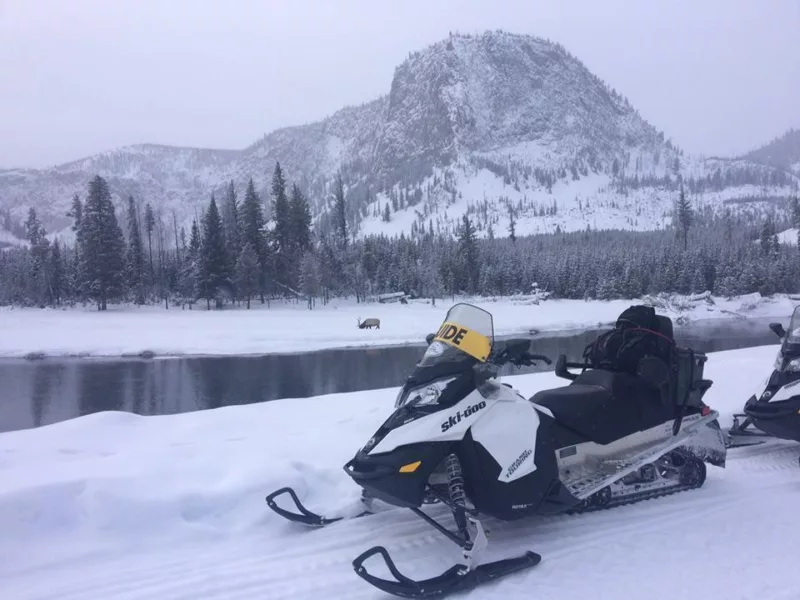
Access changes significantly in winter. The road between Gardiner and Cooke City remains open to vehicles, but most of the park is only accessible by guided snowcoach or snowmobile tours. Planning ahead is essential, as services are limited and weather can shift quickly.
Despite the extra logistics, winter offers a unique way to experience Yellowstone. Cross country skiing, snowshoeing and guided tours open up parts of the park that feel untouched. Pair your trip with time in Bozeman for dining, lodging and additional winter activities to round out the experience.
Plan Your Winter Trip to YellowstoneExplore Yellowstone with experienced local guides who handle logistics, timing and park knowledge so you can focus on the experience. Guided tours are a great option for first time visitors or anyone looking to maximize their time.
No reservation is required. You only need to pay the entrance fee or present a valid park pass.
Entrance fees vary by vehicle type and pass duration, but standard passes start at $20-$35. Check current pricing through the National Park Service before your visit .
Bring binoculars or a spotting scope for wildlife, layers for changing weather, food and water, comfortable shoes, and sun protection.
Each season offers something different, from wildlife in spring to full access in summer and quiet landscapes in winter. Learn more about each season here.
Yes. Yellowstone does not require reservations for entry.
Yellowstone sees more than 4 million visitors annually, with peak visitation in summer.
Most visitors spend 2 to 4 days exploring the park, though you can see highlights in a single day with a focused plan.
Yes. With geothermal features, wildlife and vast landscapes, Yellowstone offers experiences you will not find anywhere else.
Yes, but access is limited. Plan ahead for road closures and consider a guided snowcoach tour for deeper access into the park.